Boil Only What You Need: Rethinking the Everyday Kettle
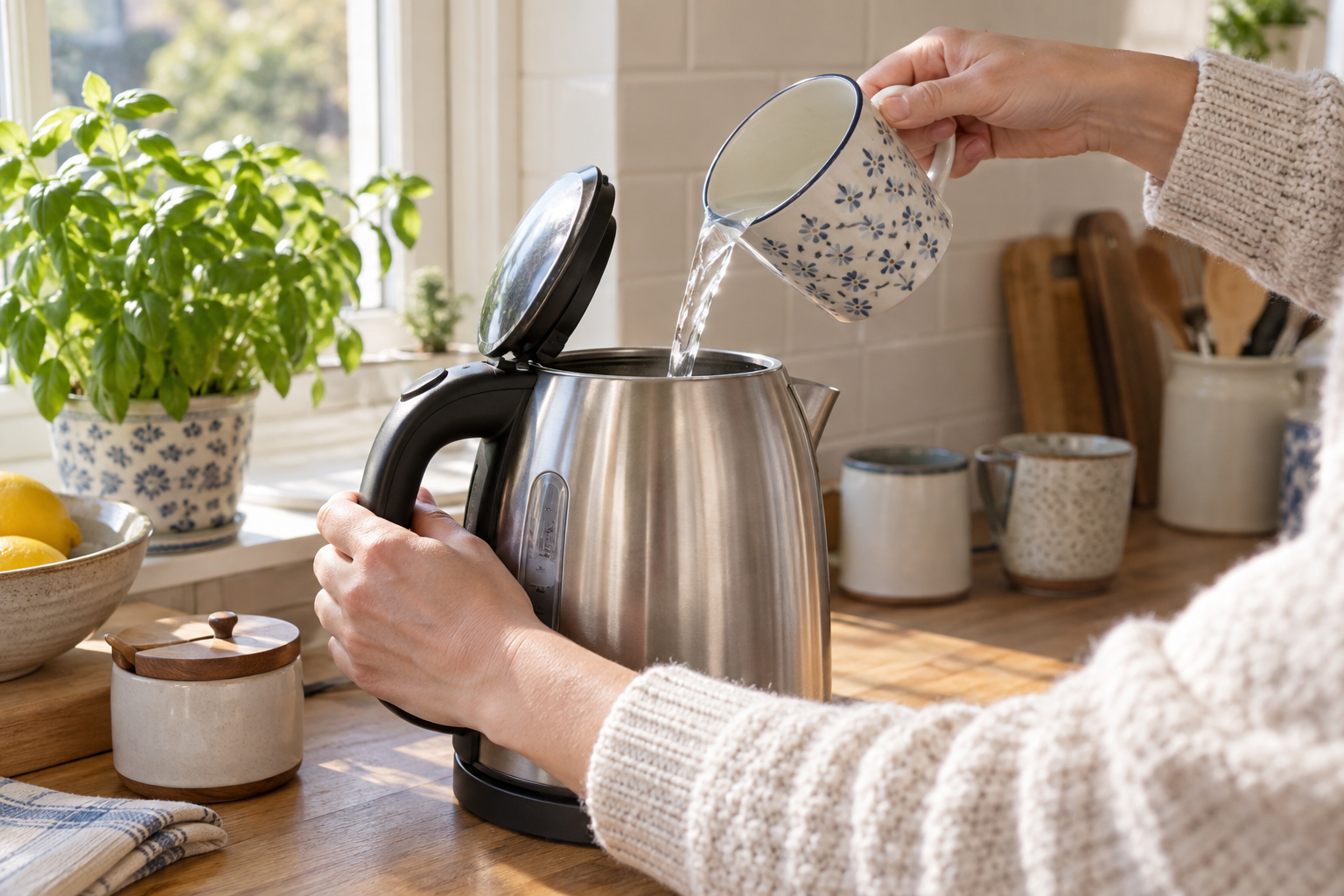
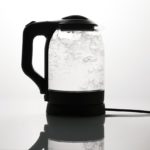
The kettle is easy to overlook because it runs for only a few minutes. In a tea-drinking household, however, those minutes happen again and again. The simplest improvement is not to give up tea. It is to heat the amount of water we will actually use.
Many of us fill the kettle by eye. That can mean boiling enough for four mugs when we need two, or reboiling because we became distracted. A small measuring habit makes the decision visible.
Measure with the cup, not the markings
Kettle markings can be difficult to see and may show litres rather than mugs. Fill the cup or teapot with cold water, pour that into the kettle, then add a small allowance if necessary. After doing this a few times, the correct level becomes familiar. Never operate below the manufacturer’s minimum fill line, and never overfill.
If several people want drinks, ask before boiling rather than running the kettle twice. On the other hand, do not make unwanted tea merely to justify a full kettle. The saving comes from matching hot water to real demand.
Use the right temperature where suitable
Some drinks do not require a rolling boil, and some variable-temperature kettles can stop earlier. Follow food and drink safety instructions: water used for certain purposes must be hot enough, and anyone who is vulnerable should take appropriate care. Do not switch a basic kettle off early unless you can do so safely and the water is suitable for the task.
Descale the kettle according to its instructions, especially in a hard-water area. Limescale can coat the element and flakes can spoil a drink. Use the manufacturer’s recommended method, rinse thoroughly and never mix cleaning chemicals.
Do not buy a new kettle without doing the sums
One-cup dispensers and variable-temperature kettles can be useful, especially for someone who finds a full kettle heavy. But manufacturing a replacement also uses materials and energy. If the present kettle works safely, measuring the water may deliver most of the benefit without buying anything.
When the kettle reaches the end of its life, compare minimum fill, automatic shut-off, repairability, capacity and ease of reading—not only wattage. A high-powered kettle may boil quickly; energy use also depends on how much water it heats and for how long.
Use leftover hot water
If a little boiled water remains, use it safely for another immediate kitchen task rather than tipping it away. Do not keep repeatedly reboiling old water all day. Empty, rinse and refresh the kettle as needed, following the manufacturer’s care advice.
Action points
- Measure the household’s usual mugs once and learn the correct fill level.
- Ask who wants a drink before switching on.
- Avoid automatic reboiling after a distraction.
- Descale according to the appliance instructions.
- Keep a working kettle until replacement is genuinely needed.
The Energy Saving Trust’s quick energy-saving tips include everyday kitchen habits. The kettle is a good example of Margaret’s Blog thinking: one small action is modest, but a modest action repeated several times a day becomes a dependable household saving.