Are You Heating Empty Rooms? A Simple Radiator Check
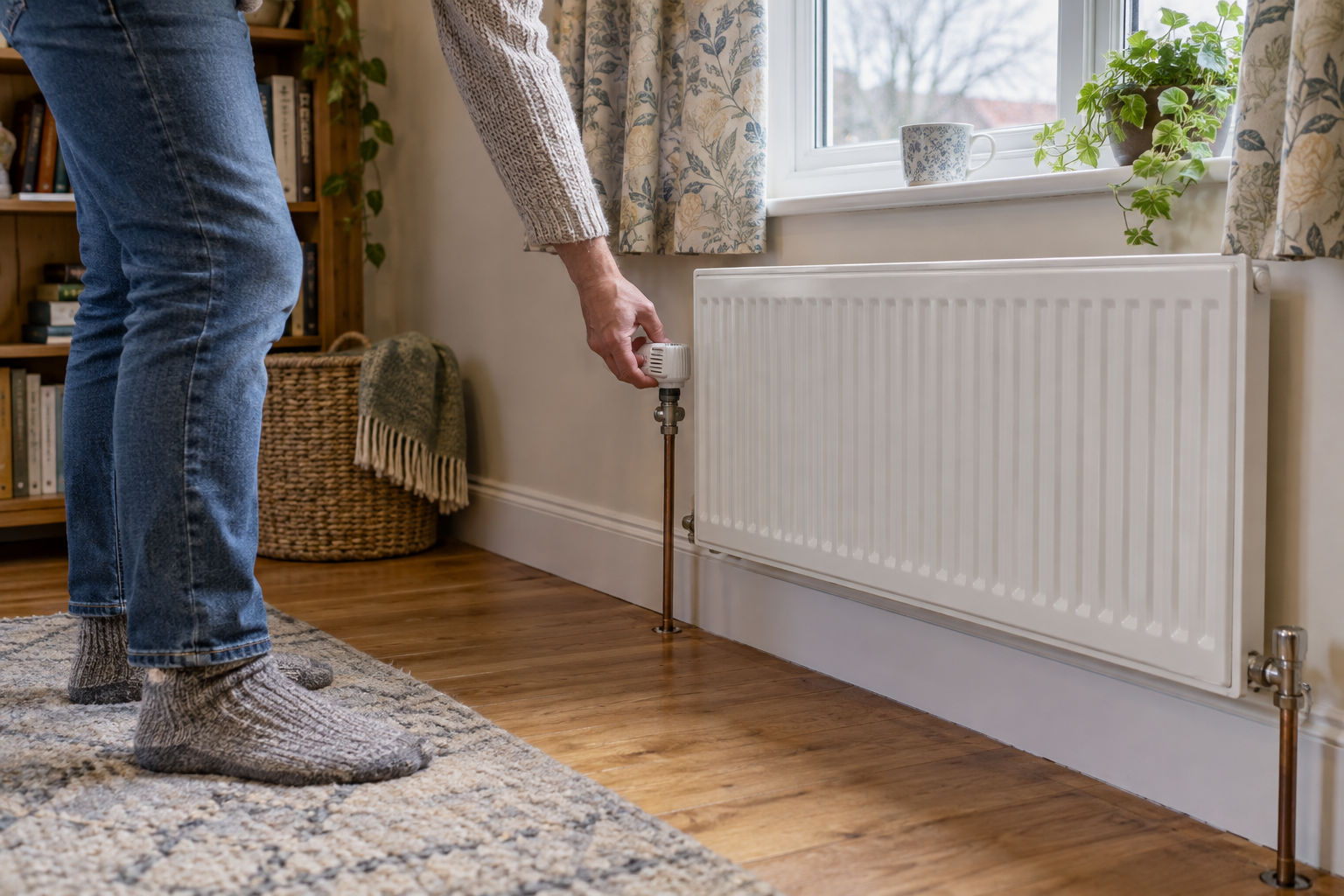
Heating controls are easy to ignore once they have been set. A spare bedroom may be kept as warm as the sitting room, a radiator may be hidden behind furniture, and the thermostat may be responding to the temperature in the wrong part of the house. Before changing the boiler or buying smart controls, it is worth checking whether the existing system is heating the rooms we actually use.
Map the house by use
Walk through the home and divide rooms into three groups: used frequently, used occasionally and rarely used. This is not an instruction to let unused rooms become freezing and damp. It is a prompt to ask whether every space needs the same temperature for the same number of hours.
Thermostatic radiator valves, usually called TRVs, regulate the flow of hot water through individual radiators. The numbers are not normally exact temperatures, and the best setting depends on the valve and room. Make small changes, allow time for the room to settle and avoid turning a valve repeatedly from maximum to minimum.
Let the radiator heat the room
Move large furniture away from radiators where possible. A sofa pressed against the front absorbs heat and obstructs warm air. Keep long curtains from hanging over the radiator, particularly if the thermostat or TRV is trapped behind them. Drying wet washing over a radiator also reduces the heat reaching the room and adds moisture to the air.
If a radiator is cold at the top, it may contain air and need bleeding. If it is cold at the bottom, there may be sludge or another system problem. Before doing any work, consult the boiler manual or a competent heating professional. Repeated pressure loss, leaks, unusual noises or carbon-monoxide concerns are not DIY experiments.
After changing a setting, give the room time to respond and note comfort at the times it is occupied. Constantly turning controls up and down makes it difficult to learn what works. A simple note beside the weekly schedule can help the whole household follow the same experiment.
Check the main thermostat and timer
The main room thermostat should be in a representative position, not beside a draught, direct sunlight, a cooker or a frequently opened outside door. Check the programme after clocks change and after power cuts. Many households discover that the heating still starts for an old work routine or stays on after everyone has gone to bed.
Lowering settings should never put health at risk. Older people, babies and anyone with a medical condition may need a warmer home. The objective is controlled comfort, not enduring a cold room to save a few pence.
Action points
- List rooms by how often and when they are used.
- Check every TRV and change settings gradually.
- Move furniture, curtains and laundry away from radiators.
- Review the central-heating programme and thermostat location.
- Arrange professional help for leaks, persistent cold spots or boiler faults.
The Energy Saving Trust explains economical use of central heating and its controls. For safe temperatures and cold-weather health advice, see the NHS Keep Warm, Keep Well guidance. A careful radiator check costs nothing, and it may reveal that the system has been following the household we used to have rather than the one we have now.